By category
How to Choose Packaging for Jewelry
Jewelry packaging is judged at reading distance, in the hand, by a customer who is already paying attention. That changes which details matter, and most of them are not the ones brands spend money on first.
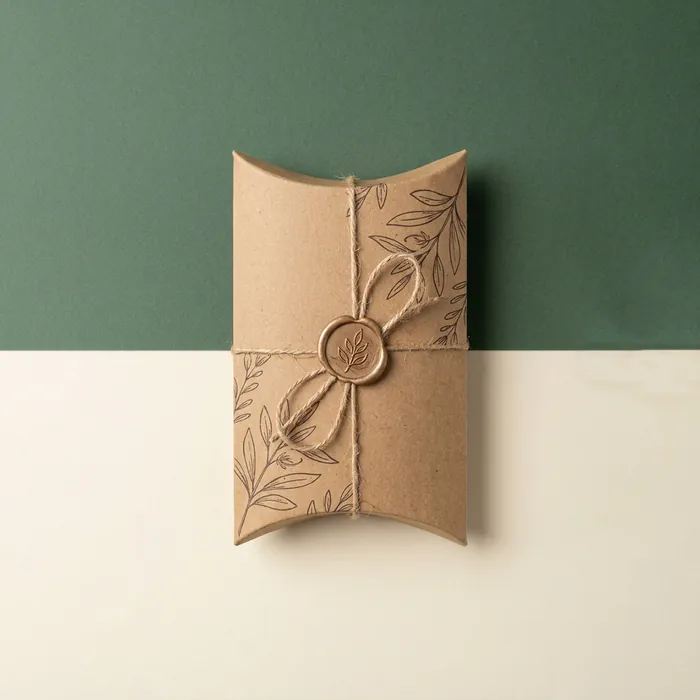
Start with the honest question about rigid boxes
A rigid hinged box feels substantial and gets kept. At the top of the market it is expected, and no amount of clever specification substitutes for it.
Below that, it is often more packaging than the piece needs and more cost than the margin supports — heavy to ship, bulky to store, and slow to tool. For a large part of the market a pillow box with a properly designed insert does the same job for a fraction of the cost, and we will tell you which side of that line we think you are on rather than selling you the format we happen to make.
Insert by piece type
| Piece | Problem | Insert |
|---|---|---|
| Stud earrings | Loose and easily lost | Punched display card |
| Chain or pendant | Tangles in transit | Notched card with a retaining bar |
| Bracelet | Bunches at one end | Elasticated or notched card |
| Rigid bangle | Needs depth clearance | None; box depth is the constraint |
| Ring | Rolls and is hard to present | Foam-backed card or a slotted holder |
| Multi-piece set | Pieces damage each other | Card with defined positions |
Details customers actually notice
- Whether the crease shows white on a dark box
- Whether the piece is presented flat or has to be untangled
- Whether the box is sized to the piece or the piece looks lost in it
- Whether the foil has stamped cleanly at the edges
- Whether the box closes properly after being opened once
Dyed-through board is the upgrade that matters
Of all the money that can be spent on a jewelry box, this is the item with the best return. A black printed onto white board shows a white line at every crease and cut, and on a pack the customer is holding six inches from their face, that line is the impression.
A dyed-through board carries the pigment through the sheet. It costs more than printing, and it is the difference between a pack that looks expensive and one that looks like it is imitating expensive. The comparison is on our black board page.
Questions this raises
Is a pillow box good enough for fine jewelry?
For a large part of the market, yes — with a dyed-through board and a proper insert it presents a piece well and folds flat for storage. At the very top of the market a rigid box is still expected.
How do I stop chains arriving tangled?
Fix the piece to a notched insert card with a retaining bar. Tangling is caused by movement in transit, and an insert removes it entirely.
What size box should I use?
Only slightly larger than the piece. An oversized box makes jewelry look smaller and cheaper, which is the opposite of what the packaging is for.
Foil or deboss for the logo?
Foil is brighter and more traditional; a blind deboss is quieter and often more contemporary. On a small mark either works — what matters more is that it is executed cleanly at the edges.
Can the same box work for several pieces?
Often, with a different insert card per piece type. Keeping the box constant and changing the card keeps the box run economic across a range.