By Industry
Gift Card Pillow Boxes
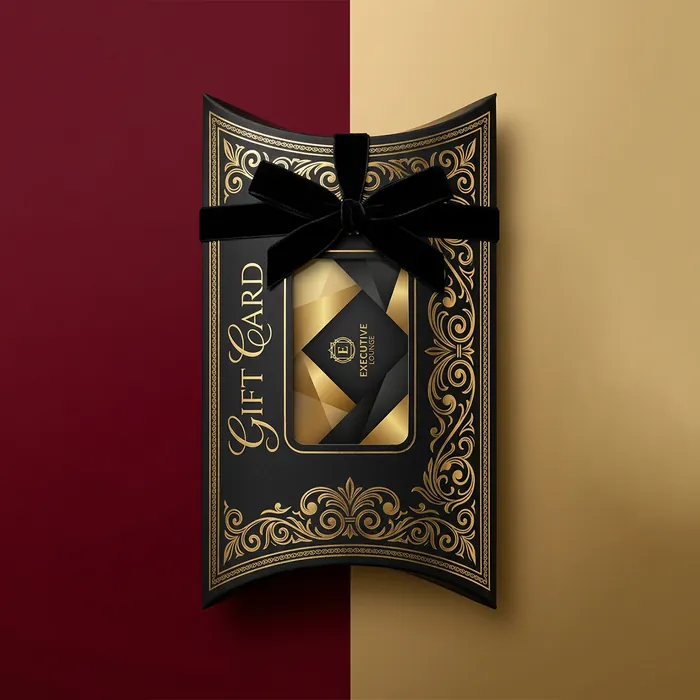
A gift card is a piece of value with no physical presence — it is a flat rectangle that means nothing until it is given. That makes the packaging unusually important, because it is doing all the work of turning a transaction into a present.
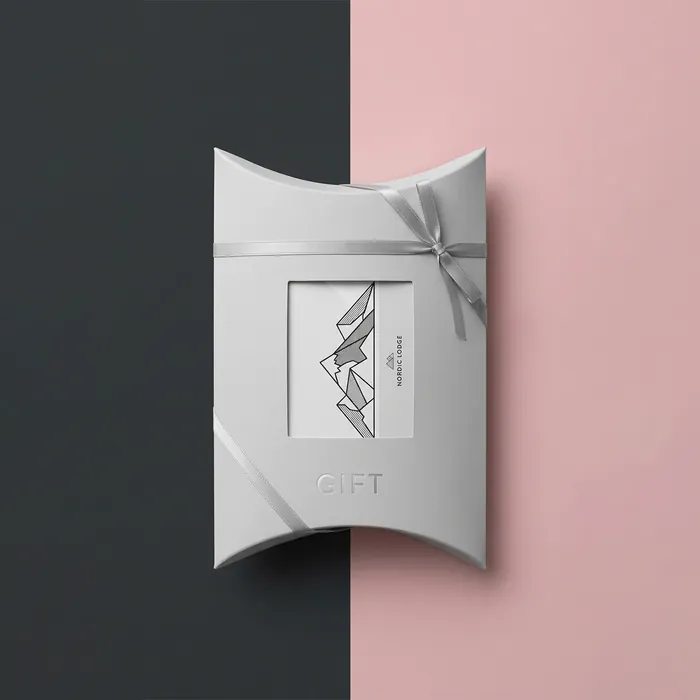
Practically, the requirements are simple and specific: hold the card so it does not fall out, leave space for the giver to write something, and look substantial enough that handing it over does not feel apologetic.
- Slim format sized to a standard card, or to your own
- Die-cut retaining slots so the card cannot fall out
- Message area on the inside face or a printed insert
- Foil and emboss finishing for retail gifting displays
- Multi-card formats for corporate and bulk programs
Get a quote for gift card pillow boxes
Tell us the product, the size and roughly how many. We reply with a written quote and a specification.
Specification at a glance
| Format | Slim, sized to a standard card or your own dimensions |
|---|---|
| Retention | Die-cut diagonal slots, pocket, or insert card |
| Interior | Printed and unlaminated where a message is written |
| Finishing | Foil, emboss, matte lamination on the exterior |
| Minimum order | Quoted per specification |
What happens next
-
We read the brief
And come back with questions rather than assumptions if something is missing.
-
You get a written quote
With the specification stated — board, printing, finishing and any tooling.
-
We draw the dieline
Cut to your product, with the usable print area and crease zones marked.
-
Sample, then produce
A physical sample in the final board before a full run, where it is worth it.
What the pack has to do
- Hold the card so it cannot slide out when the box is tipped
- Give the giver somewhere to write a name and a message
- Look and feel worth more than the card it contains
- Survive being carried in a coat pocket or a handbag
- Show, on the outside, what the card is for
Retaining the card
Two die-cut diagonal slots at opposite corners is the standard solution and it works reliably — the card tucks in under the slots and is held flat against the inside face. It costs nothing beyond the die and it is invisible until the box is opened.
The alternatives are a full pocket, which uses more board and hides part of the card, or an adhesive spot, which is quick but tends to damage the card when it is removed. Slots are almost always the right answer.
Designing for the giver
The person buying a gift card is not the person receiving it, and the packaging is aimed at the buyer. What they want is something that makes the card look like a considered choice rather than a last-minute one — which usually means a printed interior and a space for a message.
A ruled or lightly printed message area on the inside face costs nothing and is used far more often than brands expect. On an uncoated stock it can actually be written on, which a laminated surface cannot.
- Message area on the inside face, uncoated so it takes ink
- A short printed line — "To" and "From" — is enough structure
- Printed interior color so the opened box looks finished
- Ribbon or seal, so the pack has to be opened deliberately
Gift Card Pillow Boxes: common questions
Answers to what customers most often ask before ordering this specification.
How is the card held in place?
Two die-cut diagonal slots at opposite corners is the standard and the most reliable method. The card tucks under them and lies flat against the inside face.
Can the giver write inside the box?
Yes, provided the interior is not laminated — ink does not take on a plastic film. Leave the inside uncoated, or supply a separate message card.
Does it work for printed e-gift vouchers?
Yes. A printed voucher is usually paper rather than plastic, so the slots need to be sized for a thinner sheet, but the format is the same.
What finish suits a retail gifting display?
Matte laminate with a small foil mark is the most common. It reads as premium at a small size and survives being handled on an open display.
Can I have several cards in one box?
Yes, for corporate and bulk programs. Multiple slot positions or a divided insert keeps them separate and in order.
What size should the box be?
Slightly larger than a standard card in both directions, with enough depth for the card and nothing more. An oversized box makes the contents feel slight.
Can the box be sealed so the card cannot be removed in store?
A tamper-evident seal or a shrink band does that, and it is worth considering for a card displayed openly. The box alone is not a security measure.
Will a plastic gift card fit the same slots as a paper voucher?
Not comfortably — a plastic card is thicker and stiffer, so the slots are cut differently. Tell us which you are using and we will size the retention for it.
Can I print a scannable code on the box rather than the card?
You can, though it separates the value from the carrier, which most operators avoid. Where the box is the product, print a clear panel and apply the code as a label.
Does the box need to display the card value?
If values are fixed, printing them is clearer for the customer. If they are chosen at the till, leave a blank panel and use a label so one box covers every denomination.
Related
Others that suit the same brief
Chosen because they solve a nearby problem — a different material, a different scale, or the same product with one structural change.
Pillow Gift Boxes
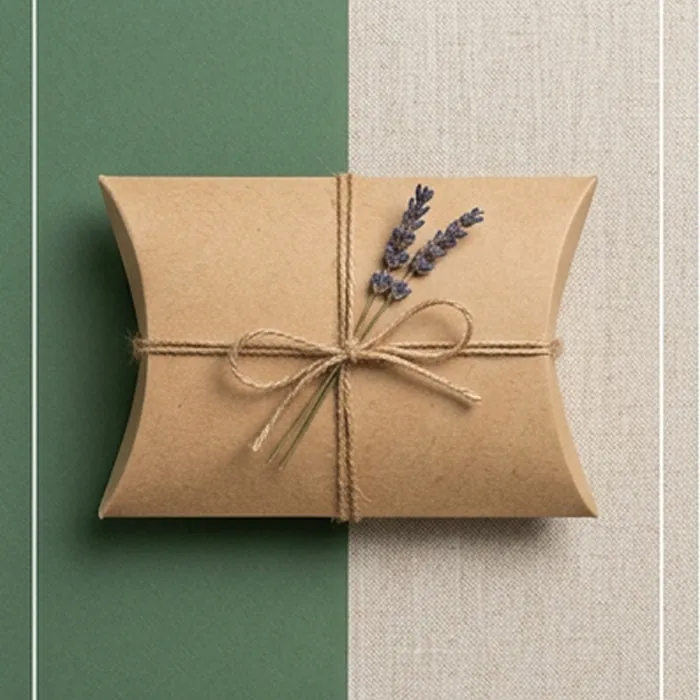
Built to be given, not just to hold — ribbon, inserts and a considered opening.
View options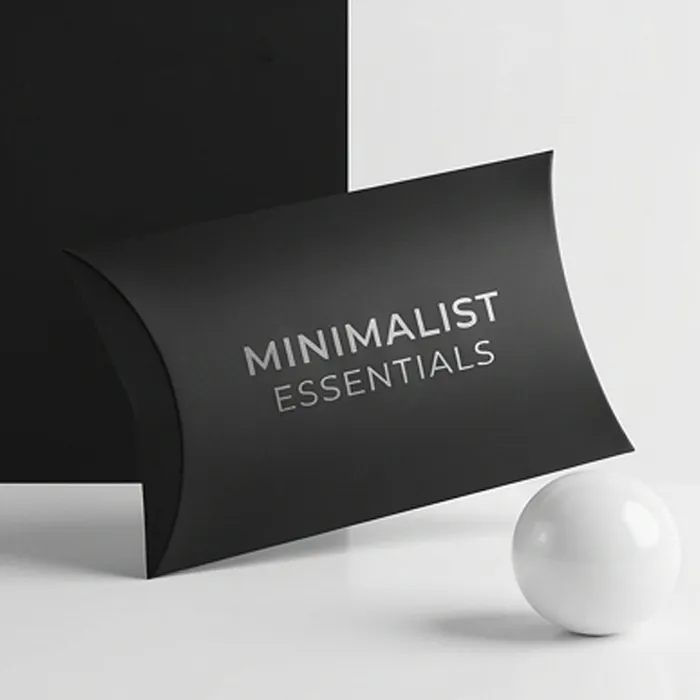
Black Pillow Boxes
Deep matte black with foil or spot gloss — the shortest route to a premium read.
View options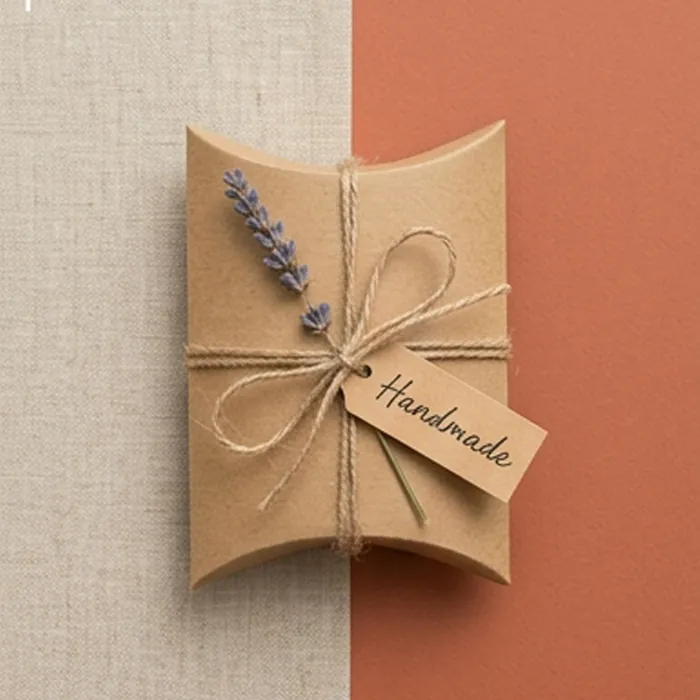
Small Pillow Boxes
Mini formats for samples, jewelry and favors — down to the limit the tuck allows.
View options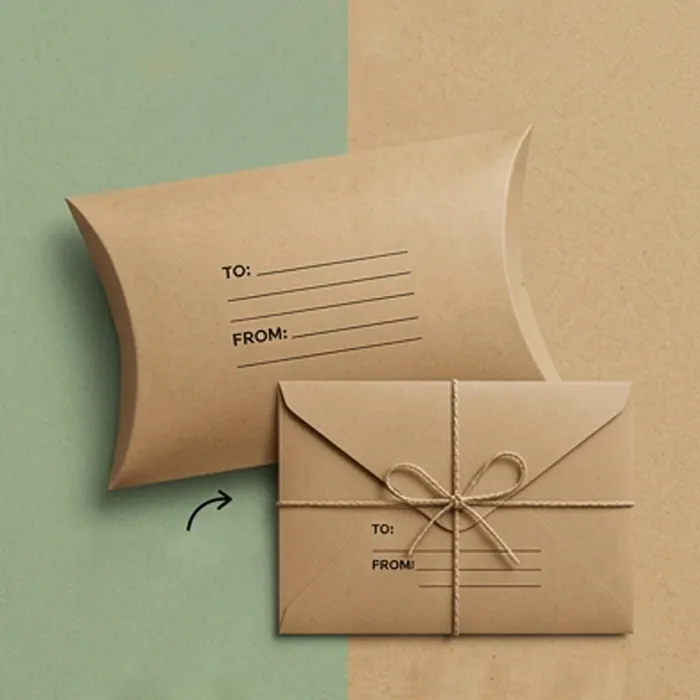
Pillow Mailers and Envelopes
Pillow packs specified for the post: address panel, secure closure, sized to rate.
View options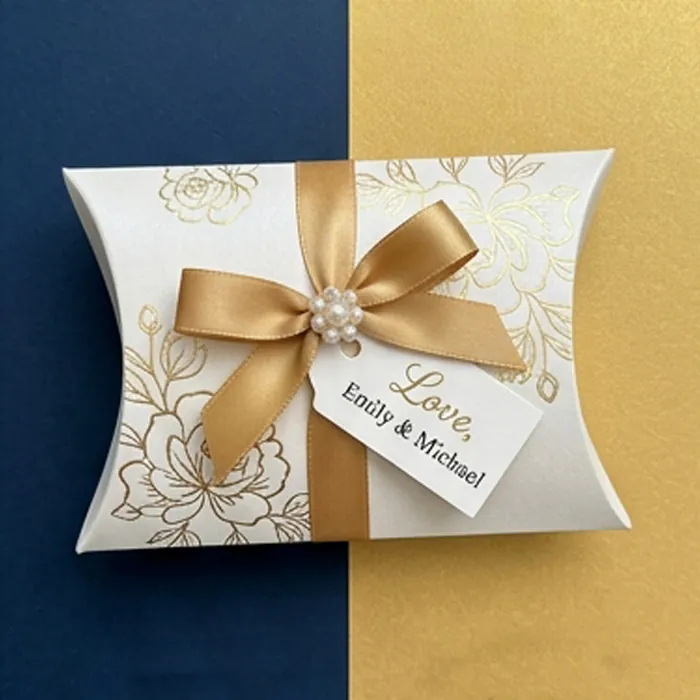
Wedding Favor Pillow Boxes
Small, personal and often named per guest — the most detail-sensitive box we make.
View optionsNext step
Ready to specify gift card pillow boxes?
Send the product, the quantity and the date you need it on a shelf. We come back with a written quote, a specification and an honest view of anything in the brief that will not work.