By Industry
Apparel Pillow Boxes
Packaging a garment is a problem of folding, not of dimensions. A t-shirt has no fixed size — it has whatever size you fold it to — and the box has to be built around a fold your packing team can repeat a thousand times without measuring.
That is the first conversation we have on apparel work: agree the fold, then size the box to it. Doing the reverse produces a box that only fits when someone folds carefully, which under production conditions means it does not fit.
- Sized around an agreed, repeatable fold
- Board weight chosen to resist bowing across a large face
- Tissue and band options that keep the fold from relaxing
- Windows to show fabric color and print
- E-flute construction for direct-to-customer shipping
Get a quote for apparel pillow boxes
Tell us the product, the size and roughly how many. We reply with a written quote and a specification.
Specification at a glance
| Sizing | Built around an agreed folded stack, including thickness |
|---|---|
| Board | 18pt to 20pt solid, or E-flute for shipping |
| Structure | Backing cards, tissue, paper bands |
| Printing | CMYK, spot color, inside print, windows |
| Minimum order | Quoted per specification |
What happens next
-
We read the brief
And come back with questions rather than assumptions if something is missing.
-
You get a written quote
With the specification stated — board, printing, finishing and any tooling.
-
We draw the dieline
Cut to your product, with the usable print area and crease zones marked.
-
Sample, then produce
A physical sample in the final board before a full run, where it is worth it.
Getting apparel packaging right
-
Agree the fold first
Decide the exact fold and have it demonstrated by whoever will do it at volume. Everything else follows from this.
-
Measure the folded stack
Including the thickness, which varies enormously between a light jersey and a heavy knit. Depth is the dimension most often underestimated.
-
Size for the largest garment
A size range folds to different thicknesses. Size the box to the largest, or accept two box sizes across the range.
-
Choose the board for the span
A large flat face needs a heavier board or it bows inward. This is where apparel boxes most often disappoint.
-
Decide how the fold is held
Tissue, a paper band or a snug fit. A garment left loose in a large box unfolds itself in transit.
Keeping the presentation intact
- A tissue wrap holds the fold and adds an unwrapping step
- A paper band around the folded garment is cheaper and nearly as effective
- A snug internal fit does most of the work on its own
- A backing card keeps the garment flat against one face
- Avoid oversizing — empty space is where folds come undone
Shipping apparel directly
Clothing brands increasingly ship in the retail pack rather than putting it inside a mailer, which saves material and looks better on arrival. It also puts the box through a courier network on its own.
A large solid-board pillow box will not survive that intact — the flat faces dent and the ends crush. E-flute changes the outcome, at the cost of extra weight and a slightly less refined print surface.
- E-flute construction where the box ships alone
- A flat panel large enough for the shipping label
- A sealed closure rather than a friction tuck
- Inside printing, since this is the customer's first contact with the brand
Apparel Pillow Boxes: common questions
Answers to what customers most often ask before ordering this specification.
What size box do I need for a t-shirt?
It depends entirely on how you fold it. Agree a repeatable fold first, measure the folded stack including thickness, and we will size the box to that.
Why does my apparel box bow in the middle?
The flat face is too large for the board weight. A heavier stock and a revised tuck radius fix it — the mechanics are explained on our large format page.
Can I ship the retail box directly to customers?
In E-flute, generally yes. In solid board it needs an outer, because the large flat faces dent easily in a courier network.
Do I need tissue inside?
It holds the fold and adds an unwrapping step, which many brands value. A paper band is cheaper and nearly as effective, and a snug fit does most of the work regardless.
One box size or several?
A size range folds to different thicknesses. Sizing to the largest works but leaves small sizes loose. Two box sizes is often the better answer, and we will show you the cost difference.
Should I add a window?
For colored or printed fabric it helps customers choose, particularly on a shelf. Keep the aperture within the flat panel and away from the crease zone.
Can a garment be packed without tissue?
Yes, if the fit is snug. Tissue holds the fold and adds an unwrapping step, but a well-sized box does most of that work on its own.
Will the box crease the garment?
The box does not; the fold does. A box sized to a fold you have agreed will hold that fold, which is why the fold has to be settled before the dieline.
Can I fit a returns label inside the box?
Yes, and a printed insert card is the neatest way. It keeps the returns instructions with the order without adding a separate document to pick.
How do I package a garment set with an accessory?
A divider or a fitted card so the accessory does not sit loose on top of the fold. Without one it arrives buried and the set does not read as a set.
Related
Others that suit the same brief
Chosen because they solve a nearby problem — a different material, a different scale, or the same product with one structural change.
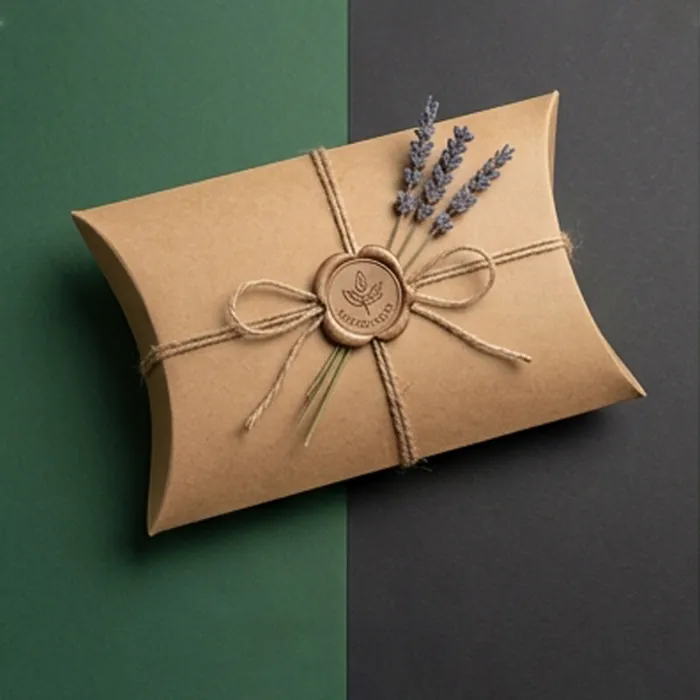
Large Pillow Boxes
Scaled up for apparel and gift sets, with the board weight to stop it bowing.
View options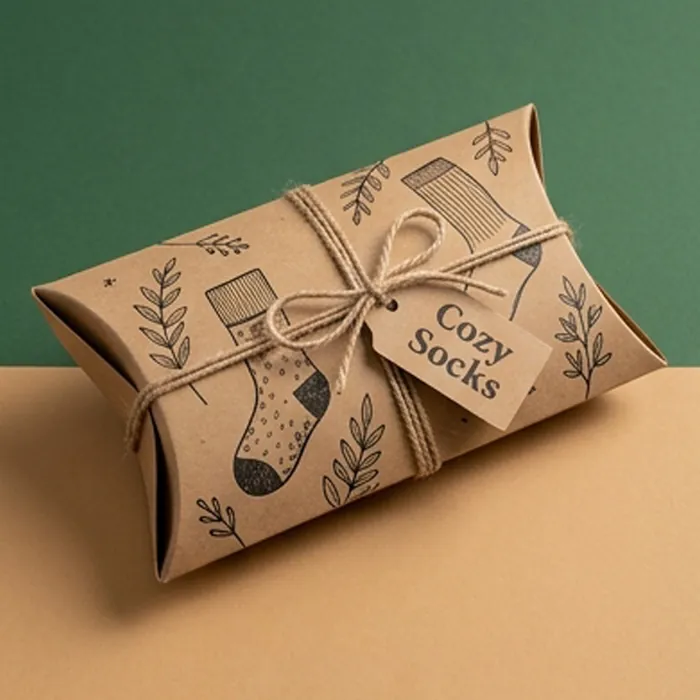
Sock Pillow Boxes
Sized to the rolled or folded pair, with the size marked where buyers look.
View options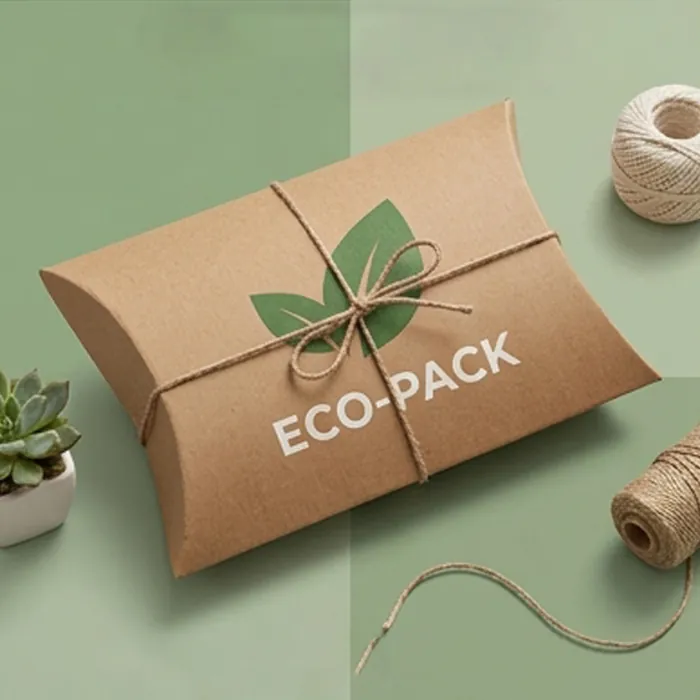
Corrugated Pillow Boxes
Fluted board for weight, protection and packs that travel without an outer carton.
View options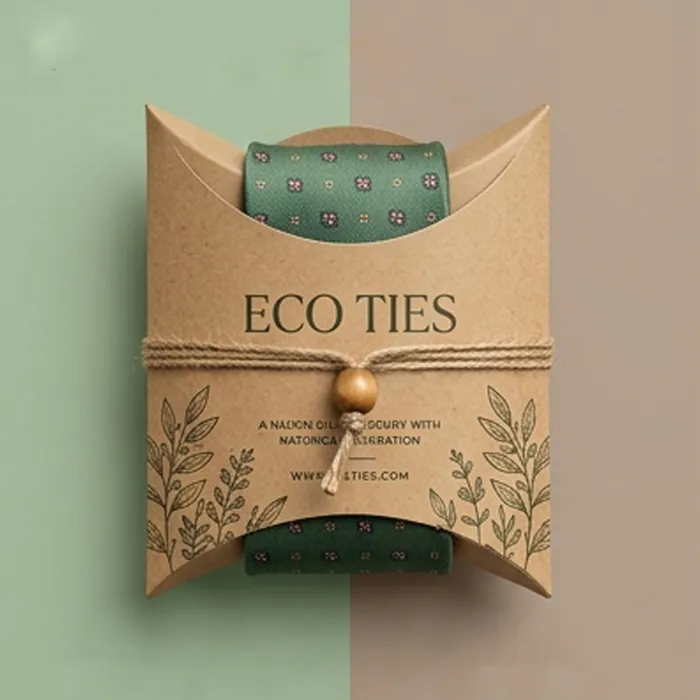
Tie Pillow Boxes
Rolled and folded formats that avoid setting a crease into the silk.
View options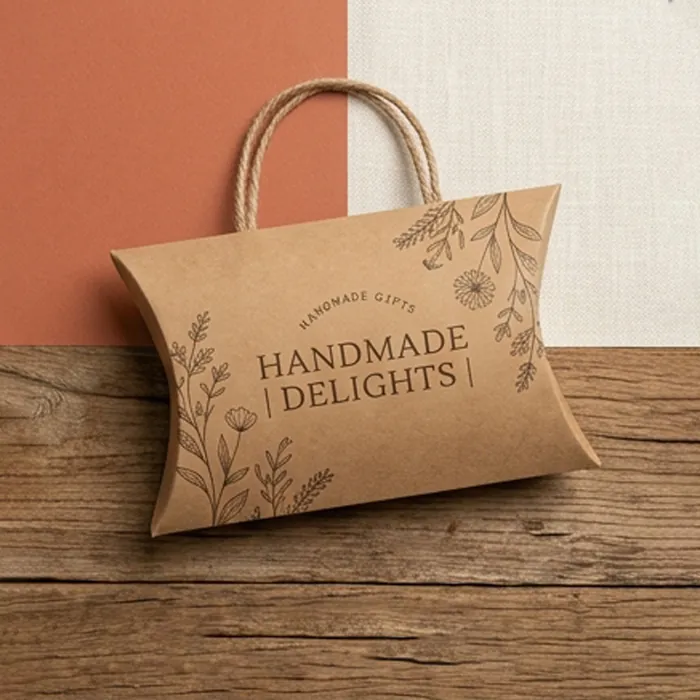
Pillow Boxes with Handle
A carry handle that turns the pack into its own gift bag.
View optionsNext step
Ready to specify apparel pillow boxes?
Send the product, the quantity and the date you need it on a shelf. We come back with a written quote, a specification and an honest view of anything in the brief that will not work.