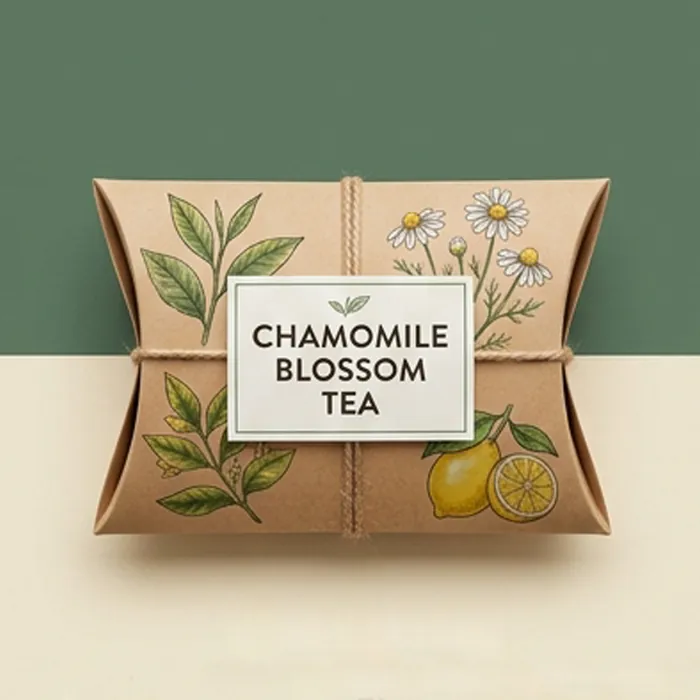
By Industry
Tea Pillow Boxes
Tea is bought and judged partly by smell, and it loses aroma steadily once it is exposed. A paperboard box is not an aroma barrier — it slows nothing meaningfully — so the actual barrier has to be the inner sachet or wrap, with the box doing presentation and protection.
Understanding that changes what the box is for. It does not need to be sealed, it needs to be beautiful, informative, and cheap enough to work across a range that usually runs to a dozen or more varieties.
- Formats for individual sachets, sample sizes and gift sets
- Range systems where one design carries many varieties
- Kraft, uncoated and coated stocks
- Windows for showing loose leaf and botanicals
- Board specified to your contact requirement
Get a quote for tea pillow boxes
Tell us the product, the size and roughly how many. We reply with a written quote and a specification.
Specification at a glance
| Board | Kraft, uncoated, coated white |
|---|---|
| Formats | Single sachet through to variety gift sets |
| Printing | One and two-color, CMYK, variable elements for ranges |
| Structure | Windows, dividers for variety packs |
| Contact | Specified where tea touches the board directly |
What happens next
-
We read the brief
And come back with questions rather than assumptions if something is missing.
-
You get a written quote
With the specification stated — board, printing, finishing and any tooling.
-
We draw the dieline
Cut to your product, with the usable print area and crease zones marked.
-
Sample, then produce
A physical sample in the final board before a full run, where it is worth it.
The box is not the barrier
A great deal of effort gets wasted trying to make a tea carton airtight. It cannot be, at this format, and the aroma loss happens through the board regardless of how tightly the tuck closes.
The barrier is the inner — a foil-lined sachet, a sealed pouch, an individually wrapped bag. Once that is in place the box is free to be an uncoated kraft carton with a beautiful one-color illustration, which is exactly what most tea brands want anyway.
Formats across a tea range
- Single sachet, for sampling and hotel or event use
- Ten to twenty bag retail carton
- Loose-leaf sample size, often with a window
- Variety gift set with a divided interior
- Long format for a tall sachet or a stick pack
Designing a range, not a box
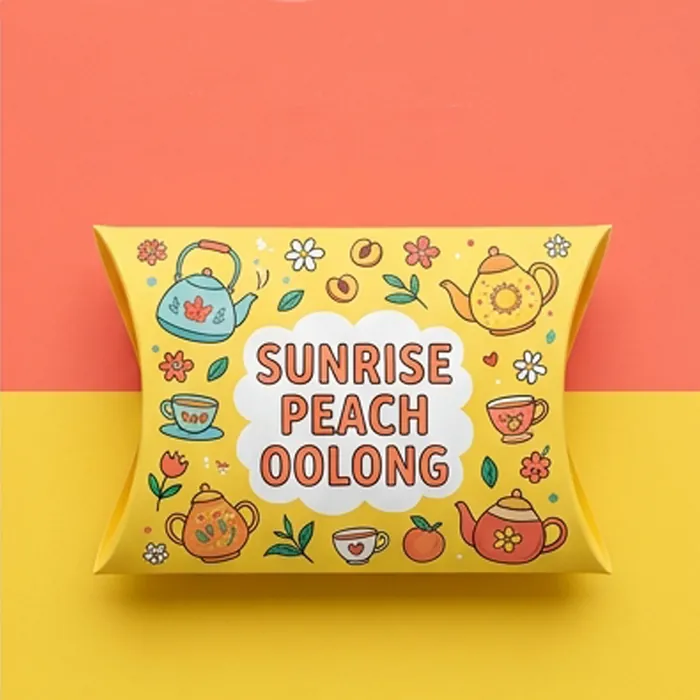
A tea brand rarely has one product. It has eight, or fifteen, and every one needs its own name, illustration and ingredient list while still reading as part of a family on the shelf.
The systems that work keep the structure, the typography and the layout absolutely fixed, and change one thing — the illustration, or a color band. Where quantities per variety are small, one common printed box with a variable element is dramatically more economic than bespoke artwork for each.
- Fixed layout, variable illustration or color per variety
- One common box with a variable printed panel at low volumes
- Applied labels where the range changes frequently
- Consistent brand placement so the shelf block holds together
Tea Pillow Boxes: common questions
Answers to what customers most often ask before ordering this specification.
Will a box keep tea fresh?
Not on its own. Paperboard is not an aroma or moisture barrier at this format. The inner sachet or pouch does that work, and the box handles presentation and protection.
How do I package fifteen varieties affordably?
Keep one fixed layout and change a single element — an illustration or a color band. At low volumes per variety, a common box with a variable printed panel is far cheaper than bespoke artwork for each.
Should I show the loose leaf?
A window helps for whole-leaf and botanical blends where the appearance is genuinely attractive. For cut leaf or standard bags it adds cost without adding appeal.
Is kraft the right stock?
It fits the natural positioning most tea brands take and takes botanical illustration beautifully in one or two colors. Pale colors over brown need a white base, as our kraft page explains.
Does loose leaf need a different board from bagged tea?
Only where loose tea touches the board directly. Bagged and sachet products make the box a secondary pack.
What about a variety gift set?
A divided interior keeps each variety separate and lets you print the names in position, which turns a box of sachets into a considered gift.
How many sachets fit in a standard tea pillow box?
It depends on the sachet, and the depth is what limits it rather than the footprint. Send a sample sachet and a target count and we will size the box to it.
Can the box carry brewing instructions?
Yes, and the inside face is a good home for them — visible when the box is opened, and it keeps the exterior clean. It needs a board coated both sides.
Will the box protect tea from light?
An opaque board does block light, which is a genuine benefit for delicate green and white teas. It does nothing about oxygen or moisture, which the inner has to handle.
Can I use one box for caffeinated and decaffeinated versions?
Yes, with a variable printed element or a color-coded band. Customers do need to distinguish them clearly, so make the difference obvious rather than subtle.
Related
Others that suit the same brief
Chosen because they solve a nearby problem — a different material, a different scale, or the same product with one structural change.
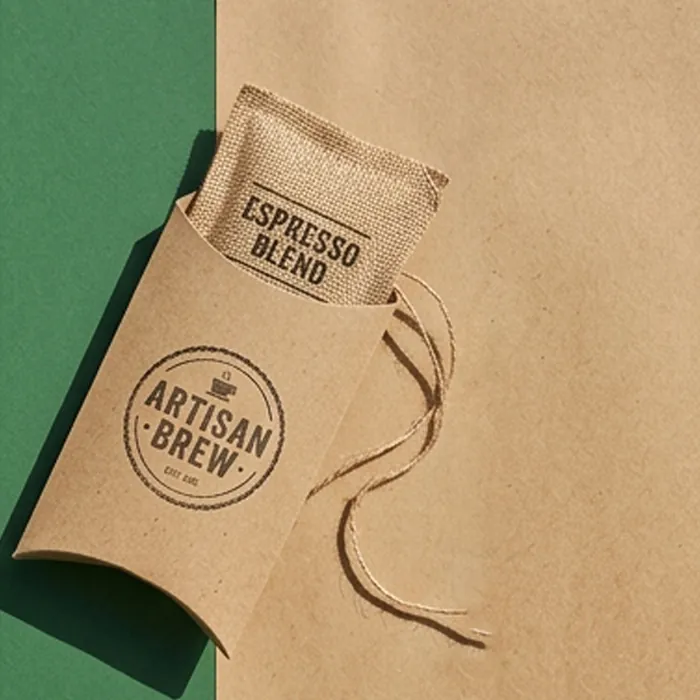
Coffee Sachet Pillow Boxes
Drip-bag and sample formats with the origin and roast detail up front.
View options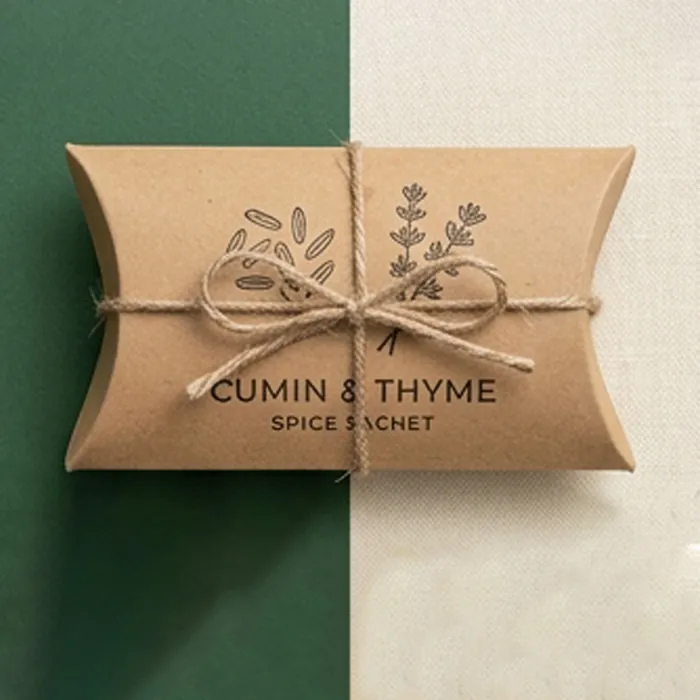
Spice Sachet Pillow Boxes
Blend and recipe-kit packs, with staining and aroma handled by the inner.
View options
Kraft Pillow Boxes
Natural brown kraft board with a visible fiber texture, printed one or two colors.
View options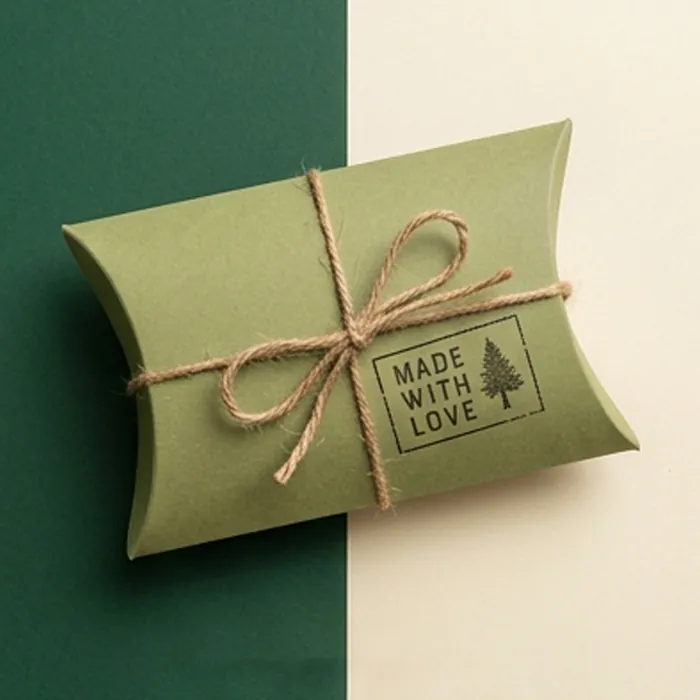
Green Pillow Boxes
Sage through forest — the color most used to signal natural without saying it.
View options
Eco Friendly Pillow Boxes
A paper-only specification: recycled-content board, no laminate, no plastic window.
View optionsNext step
Ready to specify tea pillow boxes?
Send the product, the quantity and the date you need it on a shelf. We come back with a written quote, a specification and an honest view of anything in the brief that will not work.