By Industry
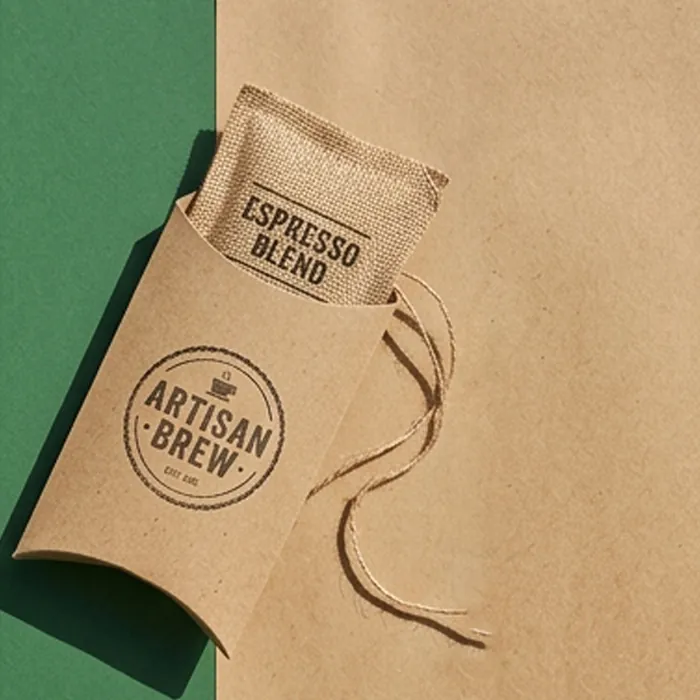
Coffee Sachet Pillow Boxes
Specialty coffee buyers read packaging in a specific order: origin, process, roast level, then everything else. A pack that leads with the brand and buries the origin is working against the way its own customers make decisions.
Physically the requirements are modest — a drip bag or a sample pouch is small, light and already sealed — so the box is almost entirely about information design and shelf presence.
- Formats for drip bags, sample pouches and single-serve sachets
- Layouts that lead with origin, process and roast
- Multi-pack and tasting-set formats
- Kraft and uncoated stocks, matching specialty conventions
- Batch and roast-date areas kept clear of laminate
Get a quote for coffee sachet pillow boxes
Tell us the product, the size and roughly how many. We reply with a written quote and a specification.
Specification at a glance
| Board | Kraft, uncoated, coated white |
|---|---|
| Formats | Single sachet, drip bag, multi-pack, tasting set |
| Printing | One and two-color, CMYK; coatable panel for roast dating |
| Structure | Divided interiors for sets |
| Contact | Secondary pack where the coffee is sealed in a sachet |
What happens next
-
We read the brief
And come back with questions rather than assumptions if something is missing.
-
You get a written quote
With the specification stated — board, printing, finishing and any tooling.
-
We draw the dieline
Cut to your product, with the usable print area and crease zones marked.
-
Sample, then produce
A physical sample in the final board before a full run, where it is worth it.
The information specialty buyers look for
In roughly this order. Designing against this order is the single biggest improvement available.
- Origin — country, region, and farm or cooperative if you have it
- Process — washed, natural, honey, anaerobic
- Varietal, where it is a selling point
- Roast level, stated plainly rather than on a graphic scale
- Tasting notes, kept to three or four words
- Roast date, which for specialty is more useful than a best-before
Roast date and coding
A printed roast date is a strong signal in specialty coffee, and it has to be applied after the box is made — which means the panel it lands on must accept ink from your coder.
A fully laminated surface generally will not. Leave an uncoated or coatable window in the design, sized generously enough that a slightly misaligned code still lands inside it.
Tasting sets and multi-packs
A set of three or five origins is one of the strongest gift and trial formats in coffee, because it turns a commodity purchase into a comparison. It also lets a roaster showcase a range without committing to a full bag of each.
The packaging job is keeping the origins clearly separate and identifiable. A divided interior with printed position names does it cleanly, and it is what makes the set usable rather than just a box of identical sachets.
- Divided interior with a position per origin
- Printed inside face naming each one in place
- Consistent single-sachet box design across the range
- Outer band carrying the set name and the roast date
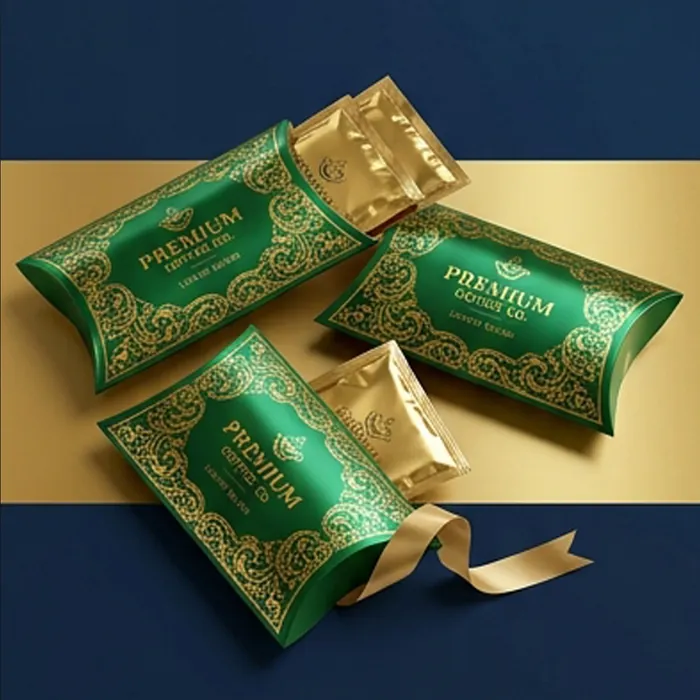
Coffee Sachet Pillow Boxes: common questions
Answers to what customers most often ask before ordering this specification.
Will the box keep the coffee fresh?
No — the sealed sachet does that. Paperboard offers no meaningful oxygen barrier, so specify the box for presentation and put the money into the inner pack.
Where should the roast date go?
On an uncoated or coatable panel sized generously enough to tolerate slight misalignment. A fully laminated surface will not accept most inline coders reliably.
What information should lead the design?
Origin, then process, then roast level. Specialty buyers scan in that order, and a pack that leads with the brand instead makes them work harder than they need to.
Is kraft the right look?
It matches specialty conventions closely and takes single-color printing well. If you need photographic imagery, bleached kraft or a coated board is the better base.
How do I package a tasting set?
A divided interior with each origin in a named position. Without it a set of identical sachets is confusing rather than premium.
Does a sealed sachet remove the food-grade requirement?
Not where the coffee is sealed in its own sachet — the box is a secondary pack. If ground coffee ever sits against the board directly, tell us and we will specify accordingly.
Can the box hold different drip bag sizes?
One box can cover a small range if the depths are close. Drip bags vary more in width than depth, so a slightly generous width usually accommodates several formats.
Should the grind be printed on the pack?
For drip bags it is fixed and worth stating. For whole bean or ground sachets it matters a great deal to specialty buyers and belongs alongside the origin.
Can the box be recycled with the sachet inside?
No, and it is worth saying so on the pack. The board is recoverable; a foil-lined sachet is not, and the two need separating.
How do I package a subscription that changes every month?
A common box with a variable printed panel, or a plain box with an applied label per origin. Both let the coffee change without a new print run.
Related
Others that suit the same brief
Chosen because they solve a nearby problem — a different material, a different scale, or the same product with one structural change.
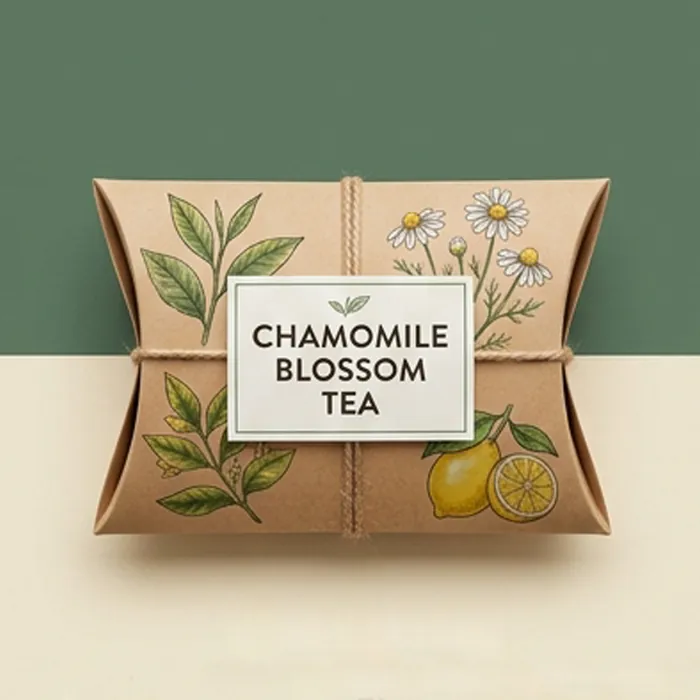
Tea Pillow Boxes
Aroma-aware packs for bags, sachets and loose-leaf samples.
View options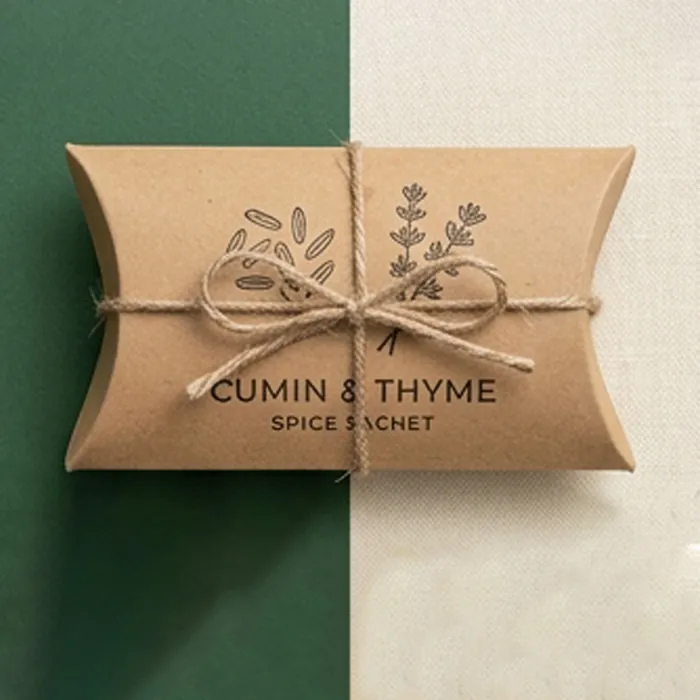
Spice Sachet Pillow Boxes
Blend and recipe-kit packs, with staining and aroma handled by the inner.
View options
Kraft Pillow Boxes
Natural brown kraft board with a visible fiber texture, printed one or two colors.
View options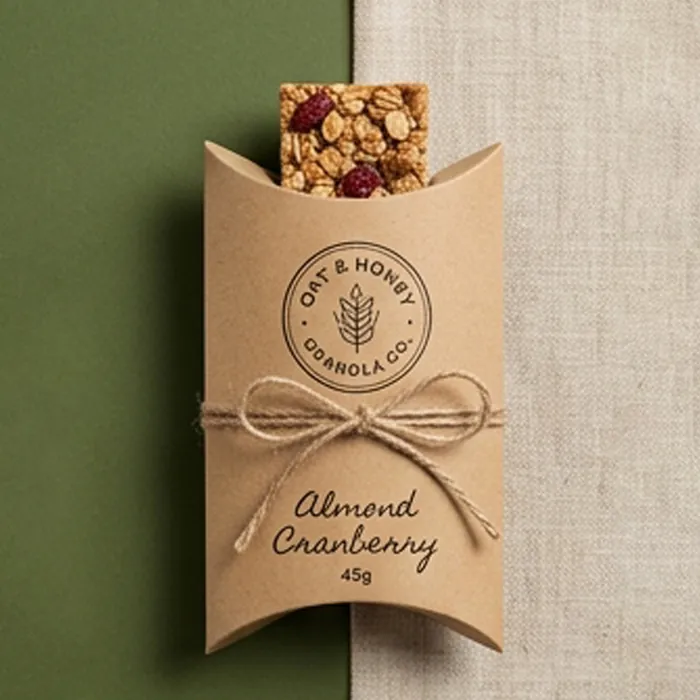
Granola Bar Pillow Boxes
Single and multi-pack formats with the nutrition panel planned in from the start.
View options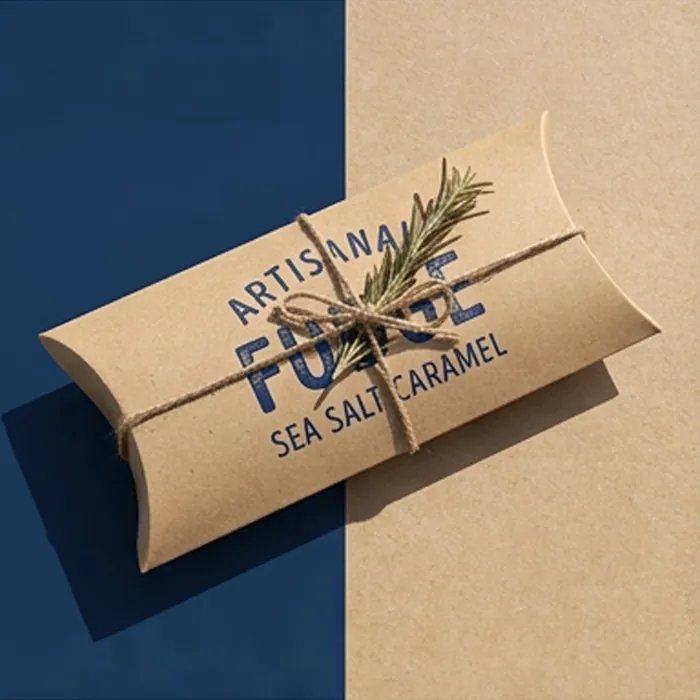
Long Pillow Boxes
Narrow and elongated — for products longer than they are wide.
View optionsNext step
Ready to specify coffee sachet pillow boxes?
Send the product, the quantity and the date you need it on a shelf. We come back with a written quote, a specification and an honest view of anything in the brief that will not work.