Ecommerce
Should You Ship in Your Retail Packaging?
Shipping in the retail pack saves a carton, a step and some weight. It also puts an object designed for a shelf into a machine designed for parcels, and whether that trade works depends on numbers most brands have not calculated.
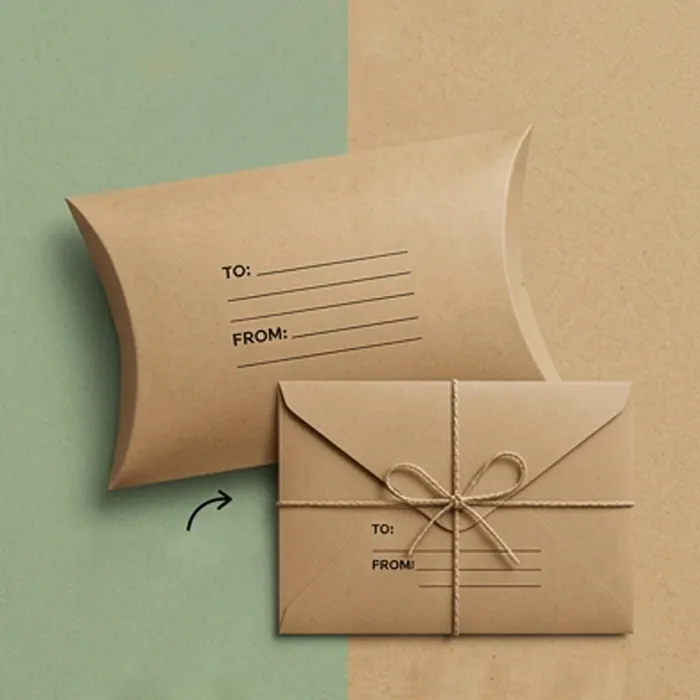
What you save, precisely
The obvious saving is the outer carton, which is real but usually smaller than expected. The larger savings are operational: one fewer item to buy, store and pick, one fewer packing step per order, and slightly less dimensional weight on every shipment.
For a brand shipping a few hundred orders a month, the packing time alone can outweigh the material cost. That is the number worth calculating first, because it is the one that actually moves.
What it costs
A pack that ships alone needs a heavier board or a corrugated construction, a sealed closure rather than a friction tuck, and a designed label area. Those additions raise the unit cost of every box you buy — including the ones sold in a shop, where none of it is needed.
It also raises damage exposure. A retail box inside an outer is protected by the outer; the same box alone is not, and a dented pack that arrives at a customer is a replacement plus a shipping cost plus a customer who now knows your packaging is fragile.
Making the comparison
Work these out for your own volumes rather than accepting a rule of thumb.
| Ship in retail pack | Retail pack plus outer | |
|---|---|---|
| Box unit cost | Higher — heavier board, sealed closure | Lower — specified for a shelf |
| Additional materials | None | Outer carton or mailing bag |
| Packing time | One step | Two steps |
| Damage rate | Higher without the right specification | Low |
| Unboxing experience | Direct, and better if the interior is printed | Two layers, which some brands prefer |
| Wasted spend | Postal features paid for on shelf stock | Outer materials on every order |
Shipping in the retail pack works when
- You sell mostly or entirely direct, so no spend is wasted
- The product is robust — fabric, accessories, sealed goods
- The pack is small enough to stay within a favorable rate band
- The unboxing is part of the brand and worth designing for
- Your order volume makes the packing-time saving material
Use an outer when
- A meaningful share of your volume goes to retail
- The contents are fragile, heavy or awkwardly shaped
- Your retail pack has a finish that marks easily
- You want the retail box to arrive pristine as part of the gift
- Damage claims would cost more than the outer carton does
The middle option
Some brands run two specifications from one design: a lighter retail version and a heavier postal one, same artwork, same die, different board and closure. The tooling is shared so the second version costs less than a separate product would.
It is more stock to manage, and it stops you paying for postal features on boxes that sit on a shelf. Whether that is worth the complexity depends entirely on your channel split.
Working out the answer for your own numbers
Four figures decide it, and most brands have never put them side by side.
-
The outer carton cost per order
Material plus the storage and picking it requires. Usually smaller than expected.
-
The packing time per order
Multiply the seconds saved by your monthly order count. Usually larger than expected.
-
The board uplift per box
The difference between a shelf specification and a postal one, paid on every box you buy.
-
Your damage and replacement rate
A replacement is the product, the packaging and a second shipment, plus a customer who now knows.
Questions this raises
Is shipping in the retail box cheaper?
Sometimes. The outer carton saving is smaller than most people expect, and the packing-time saving is usually larger. Against that, the box itself costs more and the damage exposure rises.
What is the damage rate difference?
It depends entirely on specification. A properly specified postal pack performs well; a retail box sent as-is does not. The variable is the specification, not the format.
Can I use one box for both channels?
You can, but you pay for postal features on shelf stock. Where the channel split is meaningful, two specifications sharing one die is often better value.
Does the interior need printing?
If you ship direct, it is one of the cheapest brand improvements available — it is the first thing the customer sees on opening.